
Where You’ll Find Us by Jen St. Jude
sensitivity read for representation of a Japanese American lesbian character that experiences internment in 1940s wartime America.
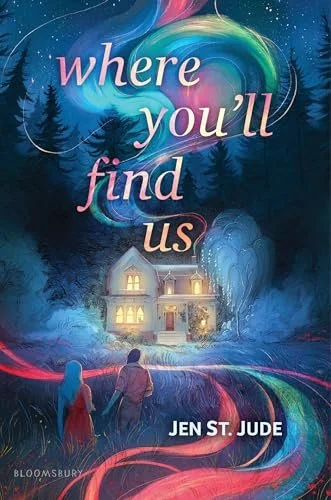
author testimonial:
I hired Hannah (@soupgirlreads) as a sensitivity reader for my forthcoming young adult novel with historical elements. Her perspective on the intersection of Japanese-American experience, LGBTQIA+ identities, and mental health was invaluable to me in the process of writing a character that felt historically accurate and authentic. Sensitivity reading is an essential part of the creative process, so I was incredibly glad to work with someone as thoughtful, intuitive, and professional as Hannah. She provided me with nuance and context that would have been difficult for me to find on my own, and helped me develop the character into one that feels fully human. Her notes also helped me add layers to the novel that felt organic and serendipitous. Thank you, Hannah, for helping my story shine a little brighter!
- Jen St. Jude, author of If Tomorrow Doesn't Come and Where You'll Find Us
synopsis:
Calla Quick has no future. At least, that’s how it feels. Her parents disowned her via text message, and now she can’t afford to go to an all-women’s college with her girlfriend Ramona like they planned. But Calla wonders if maybe that’s for the best—because even though Calla told Ramona her parents disowned her because they found out she’s gay, the truth is, Calla has been questioning whether she’s a girl at all.
Calla wishes she had more time to figure everything out, and one night, her wish is seemingly granted. When Calla and Ramona stumble upon a mysterious farmhouse in the woods, they meet five teens who claim they’ve lived there for decades. The land, which they call Amaranth, acts as a safe haven for queer kids throughout history—a place free of hate, free of violence, free of time itself. Here, Calla can be Cal, and they feel instantly accepted. They don’t have to worry about the future because at Amaranth, it will never come—until one night when the clock strikes twelve.
Now under a literal ticking clock, the housemates must find a way to stop time again or face going back to their harsh realities, but as Cal learns everyone’s story, they begin to wonder what queer people lose when their history is lost to time.